July 22, 2026
Trees add significant value and beauty to our properties while providing essential shade and environmental benefits throughout the year. However, they're living organisms susceptible to devastating diseases, hidden structural issues, and constant environmental stress. Homeowners often overlook subtle signs of decline until a severe problem becomes impossible to manage alone. Identifying these critical warning signs early can save your property from costly damage and preserve the long-term health of your landscape.
Understanding exactly what to look for is an essential part of responsible property ownership and proactive landscape management. While some minor seasonal issues resolve naturally with time, other specific symptoms indicate severe underlying problems that you can't fix with basic tools. Recognizing precisely when to call an expert makes all the difference in preventing catastrophic failure. This article explores four critical signs indicating you need prompt tree care to ensure the safety and vitality of your yard.
1. Significant Bark Peeling and Deep Trunk Cracks
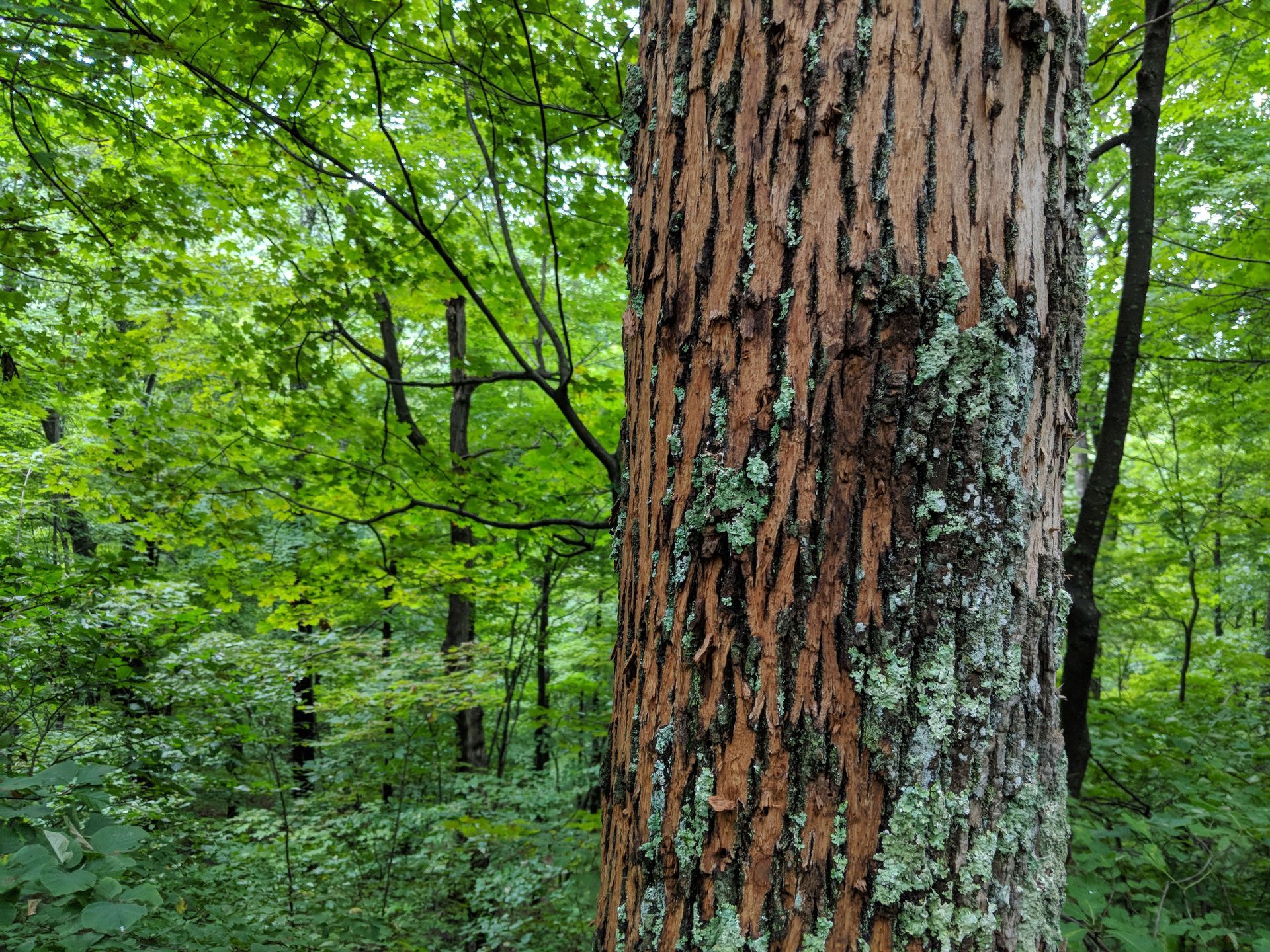
Bark serves as the primary protective layer for a plant, keeping out harmful pathogens and regulating internal temperature. When bark begins peeling away in large chunks or falls off completely, it exposes the sensitive inner wood to multiple external threats. This alarming condition often signals a fungal infection, pest infestation, or environmental damage compromising the vascular system.
Deep vertical cracks along the main trunk present another alarming symptom requiring immediate attention from an experienced arborist. These structural fissures weaken the overall stability of the plant, making it highly susceptible to snapping during high winds or severe storms. Deep splits dividing the heartwood are incredibly dangerous because they heavily compromise the load-bearing capacity.
Moisture frequently accumulates within these open cavities, creating an ideal breeding ground for harmful fungi and destructive insects. Once decay establishes itself deeply inside the main trunk, structural integrity deteriorates rapidly. The true damage usually remains hidden beneath the outer surface until a major mechanical failure eventually happens during unexpectedly harsh weather conditions.
Addressing these trunk abnormalities promptly prevents unexpected collapses that could severely damage your home or injure your family. Experts possess the necessary diagnostic tools to evaluate internal wood decay and accurately measure the structural compromise. Relying on their specialized knowledge ensures you make an informed decision. Timely tree care provides the safest outcome for your property.
2. Widespread Dead or Hanging Branches
Deadwood is a natural part of the standard growth cycle, but an excessive amount of lifeless branches indicates a widespread systemic problem. When a large plant struggles to absorb adequate nutrients or water, it typically sacrifices outermost limbs to preserve the main trunk and essential root system during the active growing season.
These dead branches become highly brittle over time and pose a serious safety hazard to anyone walking below the canopy. Arborists commonly refer to them as widow-makers because they can snap and fall without warning, even on perfectly calm days. Removing them safely requires highly specialized equipment and extensive technical training to avoid property damage.
Sometimes heavy branches physically break but remain suspended within the thick canopy, creating an immediate and highly unpredictable danger. These hanging limbs can quickly dislodge at any given moment and require rapid mechanical extraction. Trying to remove these suspended aerial hazards yourself is incredibly risky and often leads to severe accidents.
Regular seasonal maintenance helps manage minor deadwood, but a sudden increase in dying branches demands an immediate expert evaluation. A certified arborist will identify the specific root cause of the branch dieback. Exceptional tree care involves actively addressing both the overhead safety hazards and the long-term biological health of your landscaping features.
3. Noticeable Leaning and Root Uplift
A plant suddenly leaning significantly to one side presents an imminent threat of total mechanical failure. While many species naturally grow at a slight angle to reach sunlight, a rapid and noticeable shift in posture indicates severe root failure. Heavy rainfall saturates the surrounding soil, often eliminating the crucial friction holding roots firmly in place.
Carefully inspect the ground around the base of any newly leaning trunk for obvious signs of soil heaving or freshly exposed roots. If the ground naturally appears lifted, the primary root plate is actively failing. According to Simple Spring, emergency tree services and stump removal represent roughly 24% of the overall tree removal industry.
Severe root damage directly caused by nearby residential construction, utility trenching, or severe soil compaction can also lead to highly dangerous leaning over time. When the primary structural anchor roots are completely severed or crushed, the plant entirely loses its natural ability to confidently support its own structural weight against heavy wind pressure.
Don't attempt pulling a massive leaning specimen back into a straight place using regular ropes or personal vehicles, as this typically accelerates the catastrophic failure. The extreme tension and massive weight strictly require heavy specialized machinery and advanced rigging to dismantle the hazard safely without accidentally causing unpredictable collateral damage to nearby residential structures.
4. Fungal Growth and Sudden Foliage Loss
The sudden appearance of large mushrooms or woody conks growing around the base or directly on the trunk serves as a massive warning flag. These prominent fungal fruiting bodies actively feed on decaying organic matter and clearly indicate that the internal structural wood is actively rotting away from the inside out.
Sudden leaf drop outside of the autumn season provides another strong indication that your tree is experiencing severe internal physiological stress. If a full canopy unexpectedly loses its leaves during the middle of summer or entirely fails to bud out in the early spring, a major biological issue clearly exists within the root system.
Discolored, heavily spotted, or prematurely yellowing leaves also indicate underlying biological health issues needing immediate expert attention. Severe nutrient deficiencies, soil acidity levels, or invasive insect pests can all easily cause the upper foliage to completely lose its vibrant green color and eventually drop prematurely onto the lawn.
Early detection of aggressive fungal infections and damaging foliar diseases greatly increases the overall chances of highly successful targeted treatment. Comprehensive tree care focuses heavily on naturally restoring the internal vitality of the plant through proven science-backed treatments. Addressing these severe biological threats with an experienced tree services provider preserves the lasting beauty and ecological value of your landscape.
Maintaining the overall health and safety of your residential landscape requires constant vigilance and a thorough understanding of key warning signs. Severely peeling bark, deep structural cracks, widespread heavy deadwood, sudden dangerous leaning, and aggressive active fungal growth all signal that a truly serious problem exists. Homeowners who clearly recognize these alarming symptoms early can take appropriate action to mitigate dangerous hazards. While basic watering correctly falls under regular routine maintenance, diagnosing severe structural issues requires highly specialized training.
Reaching out to highly knowledgeable professionals firmly ensures that you handle these dangerous situations safely. They possess the extensive daily experience and heavy specialized equipment truly necessary to perform accurate risk assessments and execute complex removals or medical treatments. Delaying important action when clear warning signs initially appear heavily increases the likelihood of expensive property damage. Prioritizing proactive tree care ultimately saves you significant money and provides deep peace of mind throughout every season.
Contact Linander's Tree Service LLC today to schedule your tree care and protect your home from these four dangerous symptoms.