Tree Removal
Columbus, GA
(706) 888-TREE
10% Senior and Veteran Discounts
24-Hour Emergency Service
Free Quotes
Tree Removal Columbus, GA Homeowners Recommend
Since 1991, Linander's Tree Service LLC has been the go-to tree removal company for Columbus, GA residents. Our family-owned business combines years of knowledge with modern equipment to handle any tree-related issue. We focus on keeping your property safe and beautiful, offering a full range of services from regular upkeep to urgent tree removal Columbus, GA families can rely on. Our certified arborists are skilled in managing trees of all sizes, ensuring your landscape stays healthy and safe. At Linander's Tree Service, we recognize that each property has its own needs.
We provide custom solutions designed for your specific situation. Our services go beyond just removing trees; we offer guidance on tree health, seasonal care, and ways to improve your outdoor areas. We provide fair pricing, with special rates for seniors and veterans. As a local business, we care deeply about our community's wellbeing. Our team is fully licensed, bonded, and insured, giving you confidence throughout the entire process. For professional tree removal in Columbus, GA that focus on safety, efficiency, and customer satisfaction, reach out to Linander's Tree Service today.
Text
Msgs may be autodialed. Consent to texts not required to purchase our svcs. Msg. and data rates may apply.
Why Choose Linander's Tree Service LLC for Tree Removal in Columbus, GA and the Surrounding Areas?
10% Senior and Veteran Discounts
24-Hour Emergency Service
Free Quotes
Licensed, Bonded, and Insured
TCIA and CDL Certifications
Certified for Cranes and Bucket Trucks

Emergency Tree Removal Columbus, GA Residents Choose First
Linander's Tree Service is always ready to help when storms hit or trees become dangerous. Our round-the-clock emergency tree removal in Columbus, GA and the nearby areas means you'll get quick help during tree emergencies. We use advanced tools and methods to safely remove risky trees, protecting your property and family.
Tree Cutting & Removal
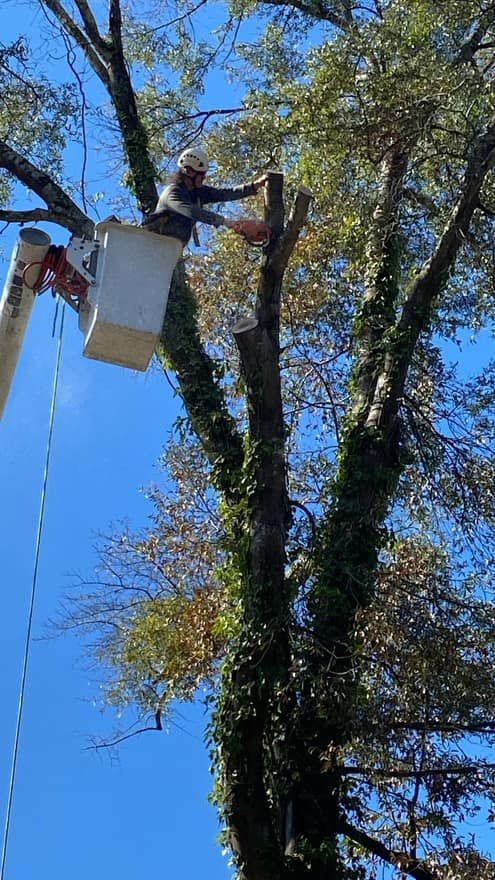
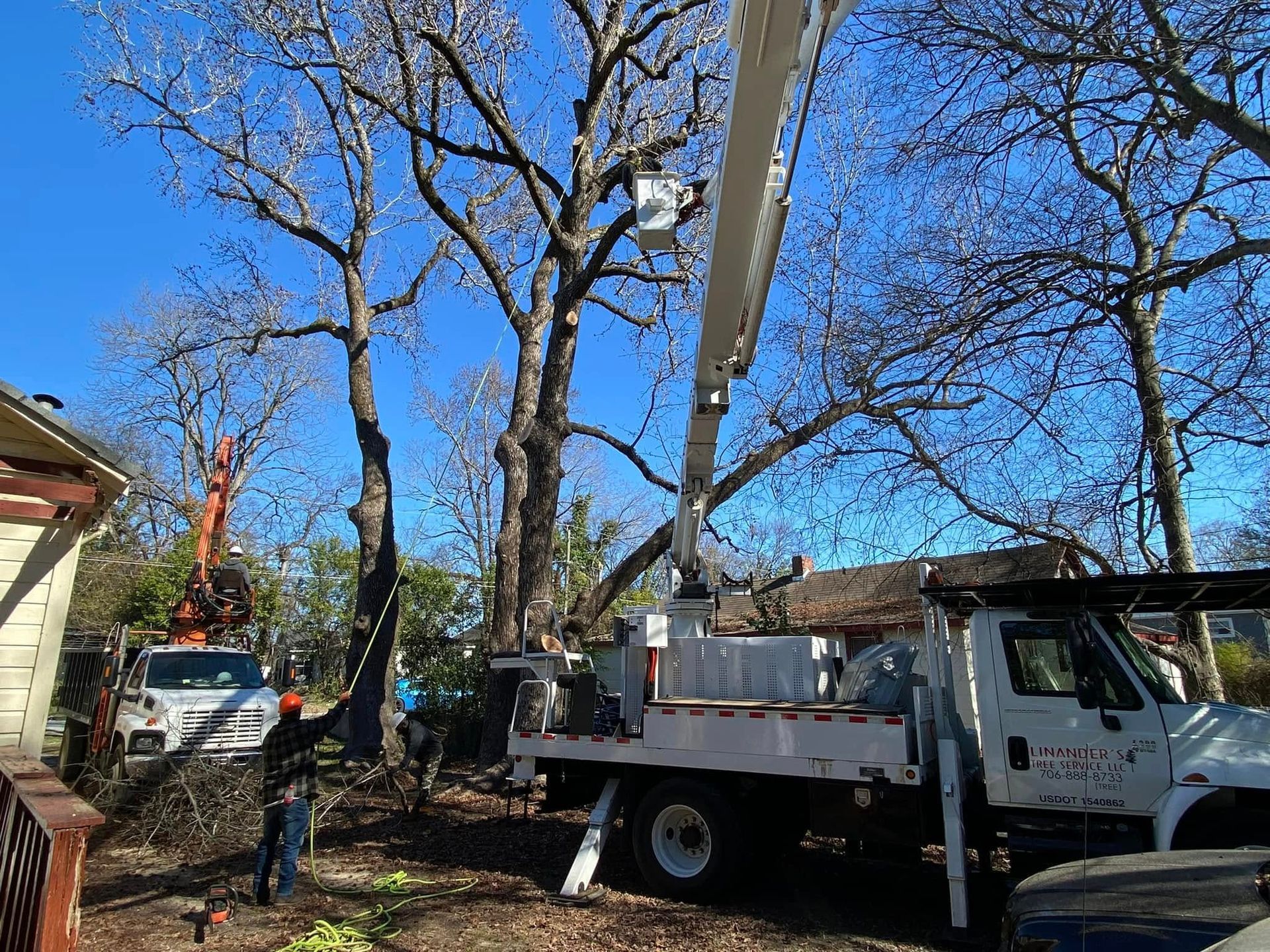
We offer complete tree cutting and removal services for all types and sizes of trees. Our TCIA and CDL certifications, along with our skill in using cranes and bucket trucks, allow us to remove even the most difficult trees safely and quickly. We always protect your property and the environment during our work.
10% OFF
We believe in honoring experience and service. We provide our seniors and veterans with a 10% discount on all services.
Reach out today to learn more!
10% OFF
We believe in honoring experience and service. We provide our seniors and veterans with a 10% discount on all services.
Reach out today to learn more!
CP #2 Headline
CP #2 Body
CP #2 CTA Lead-in
Here's what our satisfied customers are saying...
At Linander's Tree Service LLC, we take pride in providing exceptional tree removal services to our customers. We would be grateful if you could share your thoughts about our business with others. Your feedback helps us improve and helps others make informed decisions. Please take a moment to leave a review of Linander's Tree Service LLC and let others know what you think.
Frequently Asked Questions
Property owners often have serious questions before committing to tree removal, especially when safety, cost, and potential damage to surrounding areas are involved. These questions usually come up after storms, during property improvements, or when a tree begins showing signs of decline. Understanding the process ahead of time helps reduce stress and allows you to make confident decisions.
Below, we address the most common concerns about equipment, cleanup, access challenges, and safety risks. Each answer reflects how professional crews approach real-world situations, using proven methods and specialized tools to protect people, property, and landscapes.
How do you handle tree debris and cleanup?
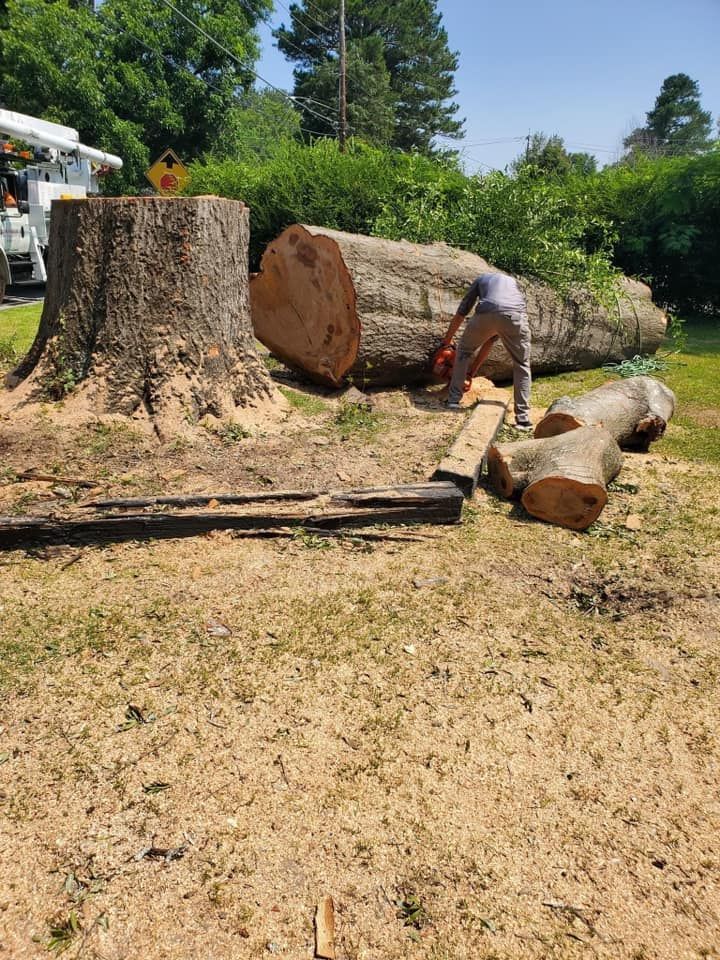
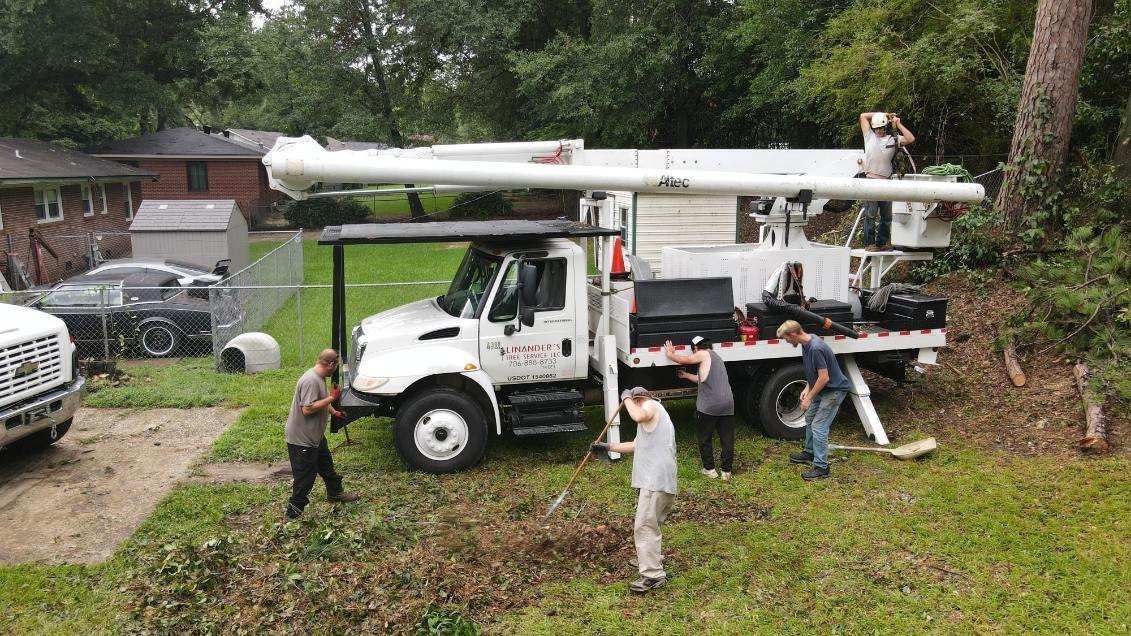
Debris management is a critical part of every job, not an afterthought, because a worksite cluttered with limbs and brush quickly becomes unsafe and inefficient. Once the tree is safely dismantled, branches and limbs are processed on-site using commercial-grade chippers designed to handle heavy, irregular loads without slowing the crew down. Chipping debris immediately reduces volume, prevents piles from spreading across the property, and allows technicians to maintain clear sightlines while working. This organized approach keeps foot traffic paths open, minimizes the risk of trips or equipment damage, and allows the job to move forward smoothly from start to finish.
Larger wood sections are carefully cut into manageable pieces, loaded, and hauled away unless the property owner requests to keep the wood for firewood or other personal use. Heavy sections are handled with equipment designed to prevent damage to turf, driveways, and nearby structures while maintaining full control during loading. Final cleanup goes beyond simply removing debris and includes detailed raking, blowing, and smoothing of disturbed areas so the space looks deliberate rather than left in disarray. When tree removal is done correctly, the landscape feels cleaner, more open, and natural, with the only lasting reminder of the work being the extra sunlight and improved sightlines the property gains.
What factors affect tree removal cost?
Pricing is influenced by several practical factors, starting with the tree's size, height, and overall condition, because these elements directly affect how the work must be performed. A tall tree with a wide, dense canopy typically requires additional crew members, longer setup time, and specialized equipment compared to a smaller ornamental tree that can be removed more efficiently. Trees showing signs of structural instability, internal decay, or storm damage often demand slower, more controlled techniques to reduce risk, which adds to labor and planning. Extra safety precautions, such as advanced rigging, sectional dismantling, or the use of cranes and bucket trucks, are factored into the cost to protect surrounding property and maintain a safe work environment.
Access plays a major role as well. Tight spaces, nearby structures, or utility lines may require cranes or advanced rigging systems. Emergency situations, such as storm damage, can also affect scheduling and resources. Transparent estimates reflect these realities, so there are no surprises when the work begins.
How do I know if a tree is dangerous and needs to be removed?
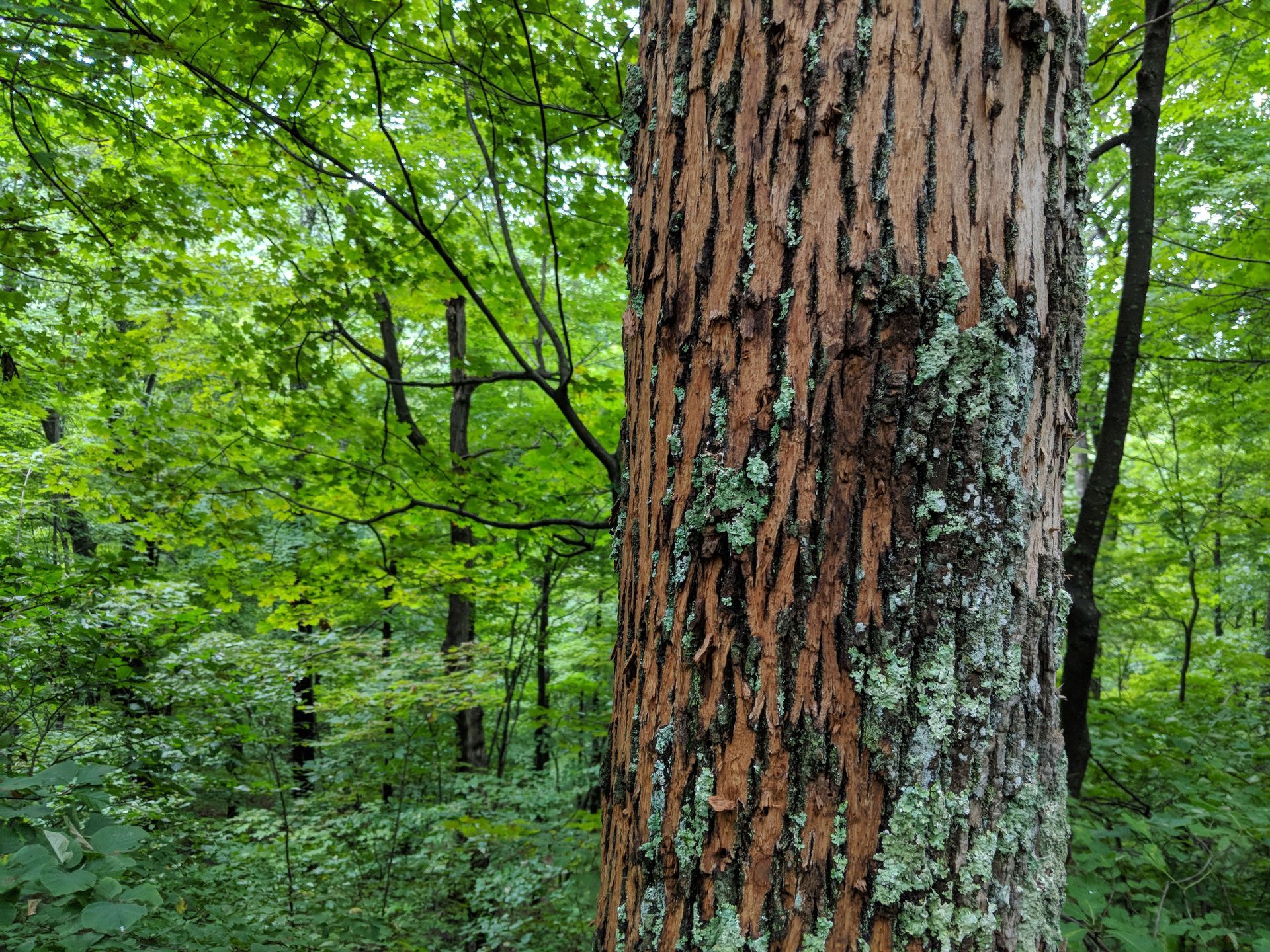
Some warning signs are easy to spot once you know what to look for. A noticeable lean, soil lifting around the roots, large dead limbs, or deep cracks in the trunk all indicate potential failure. Fungal growth at the base or along the trunk often signals internal decay that weakens structural integrity.
Other risks aren't visible to the untrained eye. Certified arborists evaluate internal rot, hollowing, and compromised load-bearing wood using professional inspection techniques. These assessments determine whether tree removal is the safest option before failure occurs, especially near homes, driveways, or high-traffic areas.
Can a tree be removed if it's located in a tight or hard-to-reach area?
Limited access does not automatically rule out safe removal. Trees positioned near fences, neighboring properties, or narrow side yards are handled through sectional dismantling. This method removes the tree piece by piece, maintaining control over every section as it's lowered.
Advanced rigging systems, bucket trucks, and cranes allow crews to work vertically and precisely without damaging nearby structures. Even in confined spaces, tree removal can be completed safely when the right equipment and planning are in place.
Do I need a permit to remove a tree from my property?
Permit requirements vary widely depending on local ordinances, tree species, and property zoning. Some municipalities protect certain trees based on size or environmental impact, while others allow removal without prior approval.
Professional companies help determine whether permits apply and assist with documentation when needed. This guidance prevents costly delays or fines and keeps your project compliant. When permits are required for tree removal, handling them correctly is just as important as the work itself.
What happens if a tree is partially fallen but still standing?
Partially fallen or suspended trees are among the most dangerous situations on a property. These trees are often under extreme tension, making them unpredictable and hazardous to approach. Shifting weight or sudden movement can cause rapid failure without warning.
Emergency response involves stabilizing the tree and performing controlled dismantling using specialized techniques. Crews secure the structure before carefully removing sections to eliminate risk. In these scenarios, prompt tree removal protects people, buildings, and surrounding trees from further damage.