November 23, 2026
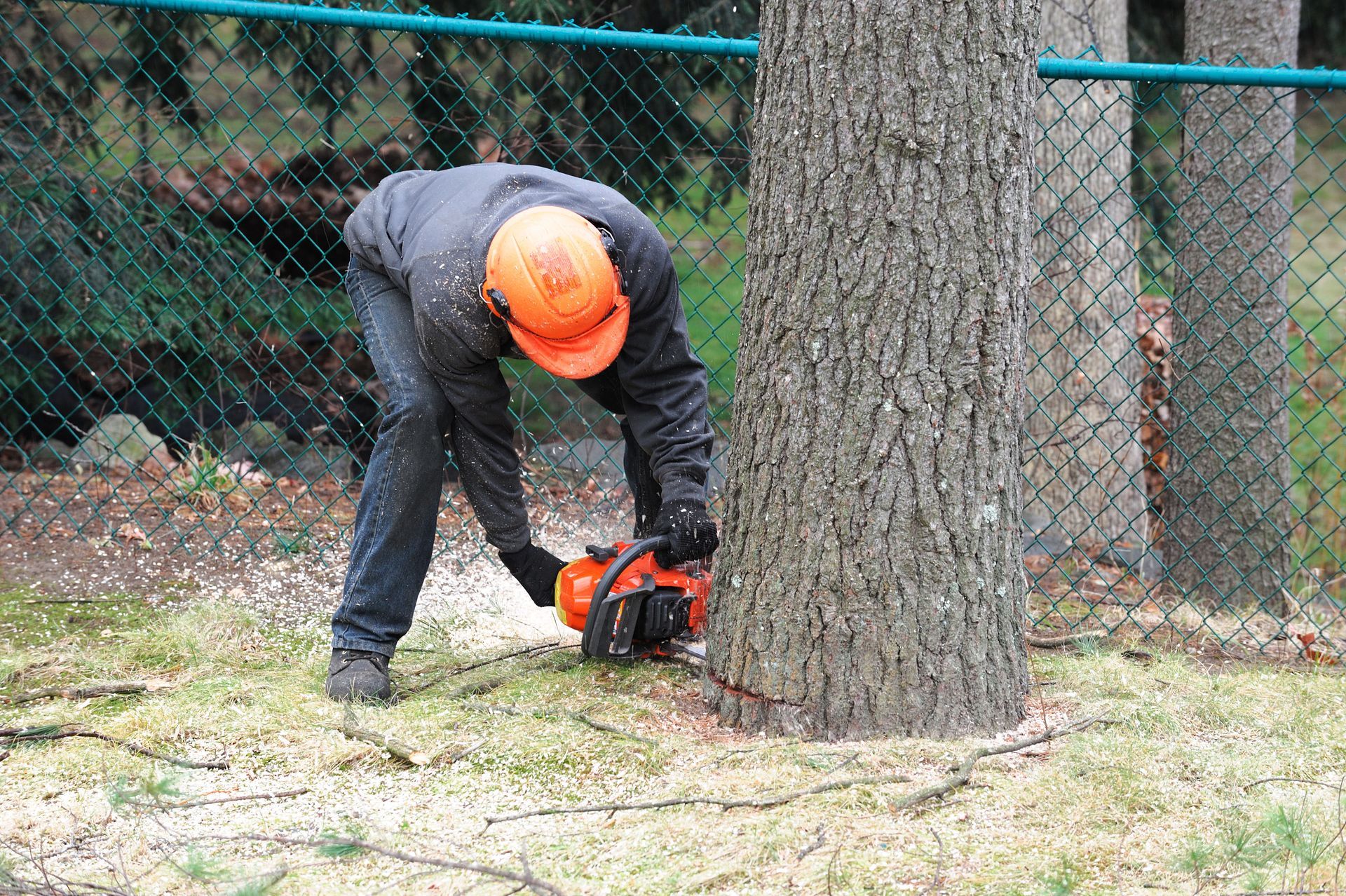
Trees contribute shade, visual appeal, and environmental benefits, but their condition can change over time. Age, disease, storm damage, and structural weaknesses may turn a once-healthy tree into a potential hazard. When a tree becomes unstable or begins interfering with important parts of a property, tree removal may be an important safety measure. Evaluating these concerns early can help property owners understand which conditions require attention before they lead to injuries or costly damage.
A tree does not need to fall completely to create a dangerous situation. Large branches can break without warning, roots can affect nearby surfaces, and leaning trunks may indicate compromised stability. These concerns are especially important when trees stand near homes, garages, driveways, sidewalks, or outdoor gathering areas. Professional assessment helps determine whether a tree can remain safely in place or whether removal is the more appropriate option.
Reducing the Risk of Falling Limbs
Dead, cracked, or weakened limbs can present a serious hazard, particularly when they extend over places where people regularly walk or park. Even branches that appear small from the ground may be heavy enough to damage a roof, vehicle, fence, or other structure when they fall. High winds, heavy rain, and snow can place additional stress on compromised limbs. Addressing a hazardous tree before severe weather arrives can reduce the chance of unexpected breakage.
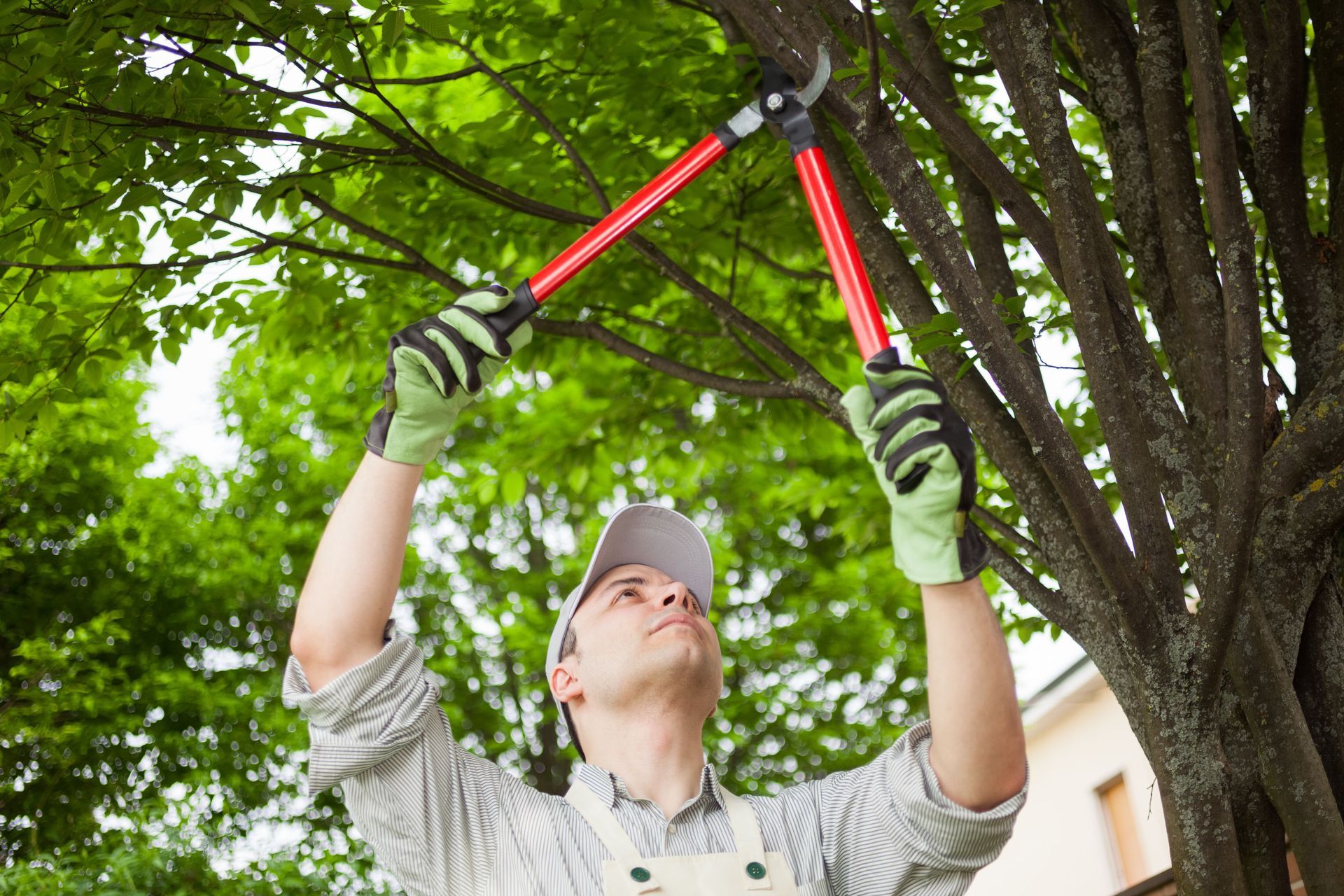
In some situations, selective pruning may address a branch-related concern. However, when damage affects the trunk, major limbs, or overall structure, trimming may not adequately resolve the risk. A qualified tree service can inspect the condition and explain whether targeted care or complete tree removal is warranted. This evaluation helps ensure that the response matches the actual hazard rather than relying on appearance alone.
Protecting Homes and Nearby Structures
Trees growing close to buildings can create safety concerns when their trunks or branches become unstable. A falling tree may damage roofing, siding, windows, decks, sheds, and other structures. Even without a complete fall, heavy limbs can scrape exterior surfaces or break components during storms. Removing a severely compromised tree can reduce the possibility of these incidents and help protect the property.
The location and direction of a tree's growth are important parts of a safety assessment. A tree leaning toward a house, showing extensive decay, or developing large cracks may require prompt professional attention. Roots can also contribute to problems around walkways, retaining walls, and foundations, although the presence of roots alone does not automatically mean a tree must be removed. A professional can consider the full site and determine whether the tree poses a meaningful structural or safety concern.
Improving Safety Around Walkways and Driveways
Trees positioned near driveways, sidewalks, and entrances can affect how safely people move around a property. Low or broken branches may obstruct visibility, while exposed or expanding roots can contribute to uneven pavement and tripping hazards. A damaged tree beside a driveway may also create a risk for vehicles and anyone entering or leaving the property. Addressing these conditions can make everyday access more predictable.
Visibility is another important consideration, especially near driveways and intersections. Dense growth or a leaning trunk may limit sightlines for drivers, cyclists, and pedestrians. In cases where the tree itself is the source of the obstruction or presents a structural hazard, tree removal may help restore a clearer and safer area. Any work should account for underground utilities, nearby structures, and pedestrian access so the property remains protected throughout the process.
Limiting Damage During Severe Weather
Storms can expose weaknesses that are not obvious during calm weather. Strong winds may place pressure on an unbalanced canopy, while saturated soil can reduce the stability of a tree with compromised roots. Ice and snow add weight to branches and may cause weakened sections to split. Trees that are already diseased, decayed, or structurally damaged may be particularly vulnerable when conditions worsen.
Preparing a property before storm season includes identifying trees that could threaten people or structures. According to Simple Spring, emergency tree services and stump removal account for approximately 24% of activity in the tree care business, illustrating the significant role that urgent hazards and post-removal work can play in the industry. This figure also highlights why property owners may benefit from addressing serious concerns before an emergency develops. A professional evaluation can help prioritize trees that warrant attention and reduce avoidable exposure during severe weather.
Addressing Disease and Structural Decline
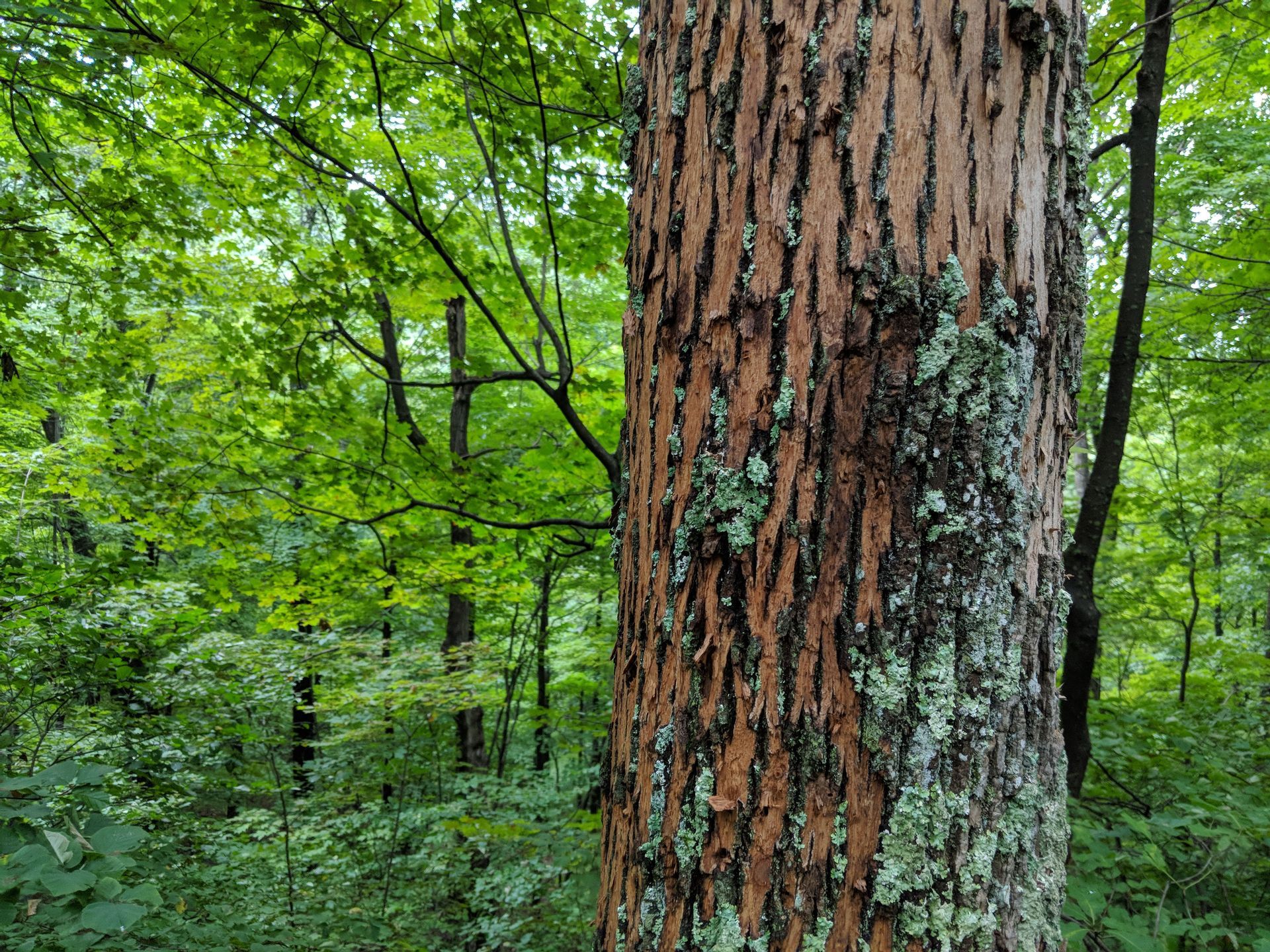
Disease and decay can weaken a tree internally, sometimes before the damage becomes obvious. Fungal growth, cavities, dead sections, unusual leaning, and extensive branch loss may indicate that a tree's health or stability is declining. Not every symptom means removal is necessary, but several warning signs together can justify a closer inspection. Timely attention is especially important when a declining tree is close to areas used by residents, visitors, or neighboring properties.
A professional assessment considers the tree's condition, location, size, and potential impact if it fails. Some trees may benefit from ongoing care, while others may be too compromised to remain safely on the property. When the risk cannot be adequately managed through maintenance,
tree removal can eliminate the immediate danger posed by that particular tree. The decision should be based on the specific conditions present rather than a general assumption about age or appearance.
Managing Risks After a Tree Is Removed
The safety process does not necessarily end when a tree is cut down. Remaining limbs, logs, and other debris can obstruct paths, create trip hazards, or interfere with routine property use. Stumps may also become obstacles for pedestrians and lawn equipment, especially when they are located near walkways or active outdoor spaces. Planning for cleanup and stump management helps ensure that the area is left in a safer, more usable condition.
Stump removal may be appropriate when the remaining base creates an ongoing obstruction or interferes with planned property use. The appropriate approach depends on the stump's location, size, and proximity to utilities or other features. Professional crews can explain the available options and help determine what work is appropriate for the site. Including cleanup in the overall plan can make the transition from a hazardous tree to a clear area more organized.
Choosing Professional Care for Safer Results
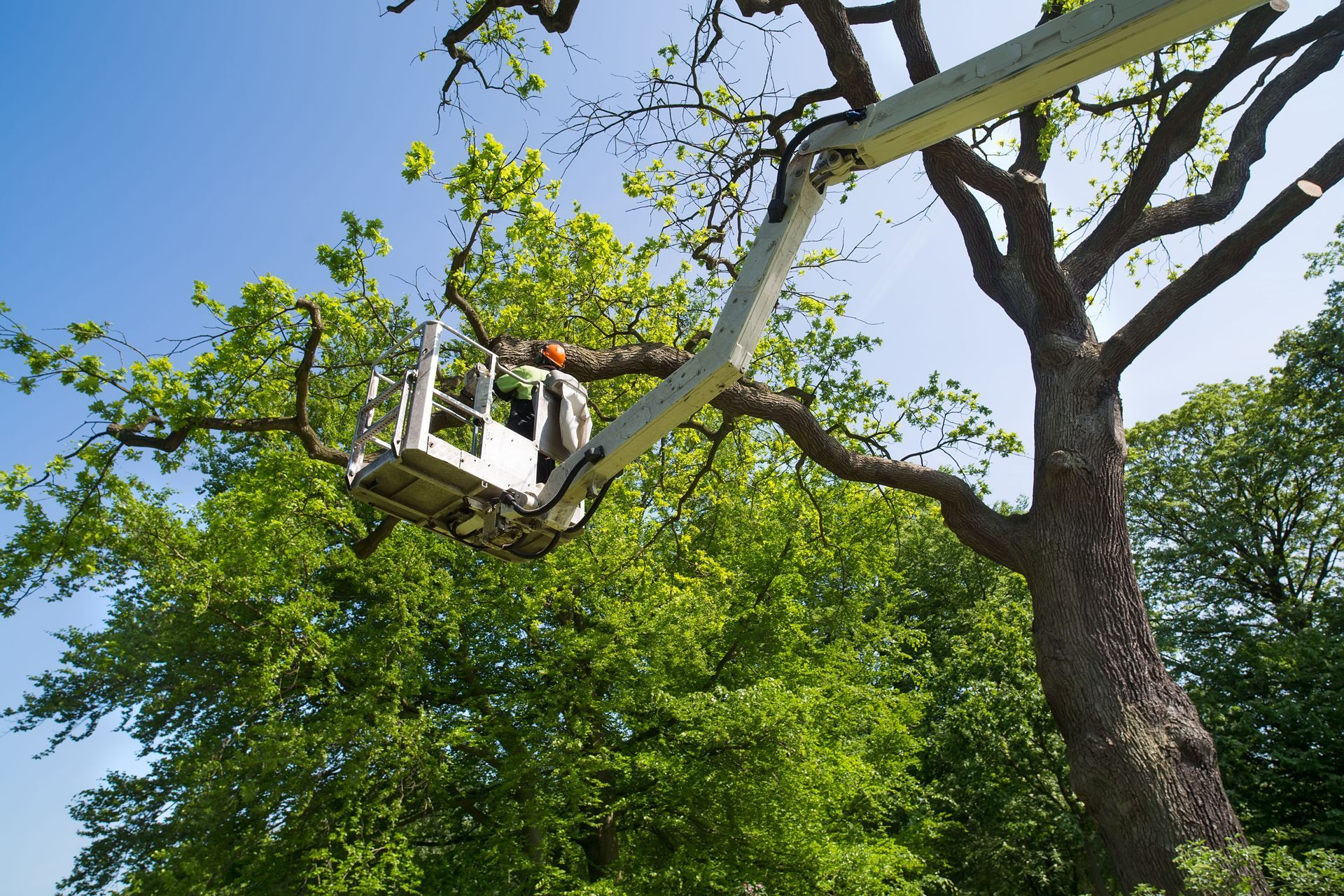
Tree work often involves significant weight, specialized equipment, and nearby obstacles. A tree may be close to power lines, buildings, fences, or public walkways, making the work more complex than it first appears. Professional crews assess the site, plan how sections will be handled, and take precautions to limit risks to people and surrounding property. Their experience is particularly important when a tree is unstable or positioned in a confined area.
A hazardous tree can affect more than the appearance of a landscape. It may place residents, guests, vehicles, buildings, and neighboring areas at risk, particularly when structural problems are left unaddressed. Recognizing warning signs and arranging a professional evaluation can help property owners make informed decisions about the condition of trees on their land. Taking action at the appropriate time may prevent a manageable concern from becoming an urgent situation.
Linander's Tree Service LLC can help property owners address tree-related safety concerns with professional service tailored to the site. Whether a tree has sustained storm damage, shows signs of decline, or stands too close to an important structure, our team can assess the situation and discuss an appropriate course of action. We understand the importance of careful planning, responsible work practices, and thorough cleanup. Contact Linander's Tree Service LLC to discuss your property and arrange service that helps create a safer outdoor environment.